
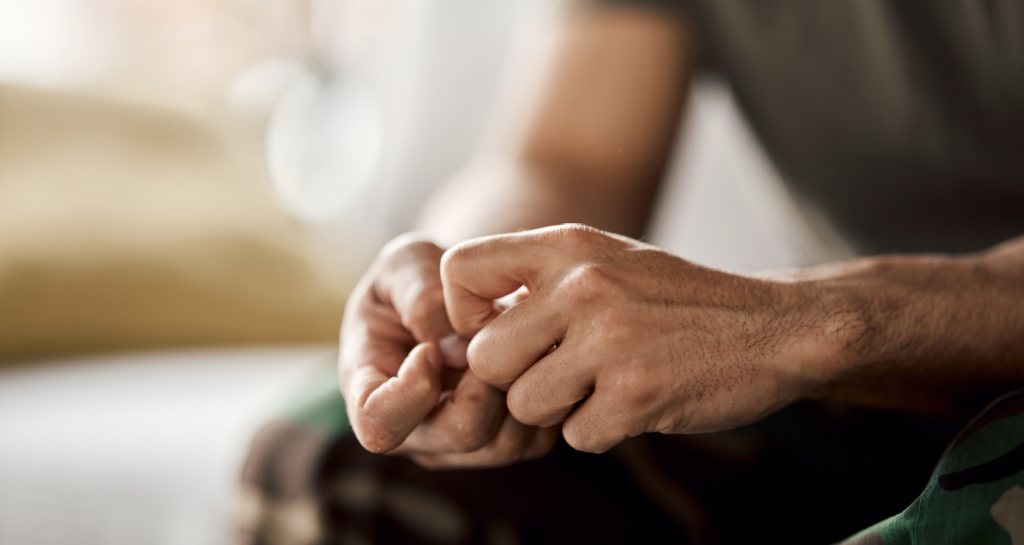
Anxiety has become one of the most common mental health challenges of our time. Many people describe feeling constantly overwhelmed, under pressure, and unable to switch off. While anxiety has always existed, the demands of modern life can make it feel particularly relentless.
We live in a world that expects us to do more, achieve more, and respond more quickly than ever before. Financial pressures, work demands, social media, family responsibilities, and the constant flow of information can leave our nervous systems in a state of ongoing alertness. For many people, anxiety has become a daily companion rather than an occasional visitor.
If you struggle with anxiety, please know that you are not alone – and more importantly, anxiety is manageable.
Understanding Anxiety
Anxiety is your mind and body’s natural alarm system. It is designed to protect you from danger. However, when this alarm system becomes overactive, it can start responding to situations that are not actually threatening.
You may notice:
- Constant worry or overthinking
- Difficulty relaxing
- Racing thoughts
- Irritability
- Muscle tension
- Trouble sleeping
- Feeling on edge or restless
- Avoiding situations that feel overwhelming
The good news is that there are practical steps you can take to calm your nervous system and regain a sense of control.
1. Focus on What Is Happening Right Now
Anxiety often pulls us into the future, making us imagine worst-case scenarios that may never happen.
When you notice yourself worrying, gently ask:
“What is actually happening right now?”
Bring your attention back to the present moment. Notice your surroundings, your breathing, and the sensations in your body. Grounding yourself in the present can reduce the power of anxious thoughts.
2. Challenge Your Thoughts
When we feel anxious, our minds often treat fears as facts. Ask yourself:
- What evidence do I have for this thought?
- Is there another explanation?
- What would I say to a friend experiencing the same worry?
Creating some distance between yourself and your thoughts can help reduce their emotional impact.
3. Calm Your Body
Anxiety affects the body as much as the mind. Simple techniques can help signal safety to your nervous system:
- Slow, deep breathing
- Gentle stretching
- Walking outdoors
- Progressive muscle relaxation
- Mindful movement such as yoga
Remember: a calm body helps create a calmer mind.
4. Reduce Avoidance
When something makes us anxious, our natural instinct is often to avoid it. While avoidance may provide short-term relief, it tends to strengthen anxiety over time.
Instead, try taking small, manageable steps toward the things you fear. Confidence is not built by avoiding discomfort – it is built by discovering that you can cope with it.
5. Be Compassionate With Yourself
Many people living with anxiety become their own harshest critic. You may tell yourself that you should be stronger, calmer, or coping better.
Yet anxiety is not a weakness. It is a sign that your mind and body are working hard to protect you, even if they are doing so in unhelpful ways. Treat yourself with the same kindness and understanding you would offer someone you care about.
